

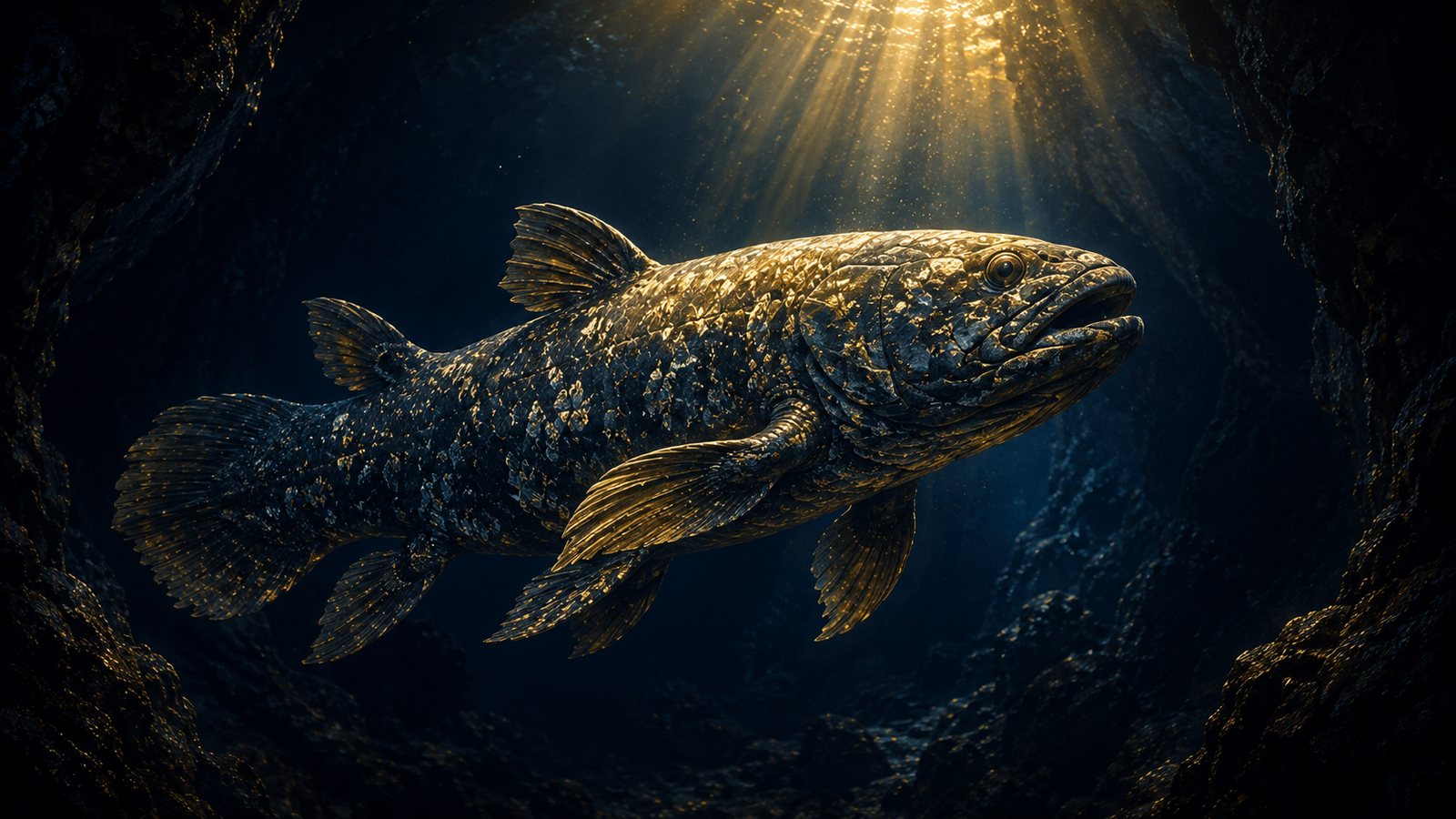
7 Animals Scientists Thought Were Extinct — Until Now
Imagine opening a history book and discovering that one of its most famous “extinct” creatures was never truly gone.
For decades, scientists confidently declared that certain animals had vanished forever. Museums displayed their fossils, textbooks marked them as extinct, and conservation efforts shifted toward protecting the species that still remained.
Then, something extraordinary happened.
A fisherman pulled an unusual blue fish from the depths of the ocean. A bird unseen for more than a century suddenly appeared over the waves. Hidden inside remote forests and isolated islands, tiny populations of forgotten animals quietly continued their lives, completely unaware that the human world believed they no longer existed.
These discoveries didn’t just surprise scientists. They changed biology forever.
Every rediscovered species reminds us of a powerful truth: Earth is still full of mysteries, and nature often keeps its greatest secrets hidden until the moment we least expect them.
What Does “Thought Extinct” Actually Mean?
When scientists declare a species extinct, they do so only after years — sometimes decades — without reliable evidence that any individuals are still alive.
But nature doesn’t always follow human expectations.
Some animals live in environments that are incredibly difficult to explore. Others exist in such tiny numbers that seeing one becomes almost impossible. In rare cases, an entire species survives in a single hidden valley, an isolated island, or deep beneath the ocean surface.
These remarkable survivors are often called Lazarus species — animals that seemed to disappear from history before astonishing the world with their return.
1. The Fish That Escaped Time
In December 1938, a South African fishing boat hauled up an animal unlike anything anyone had seen before.
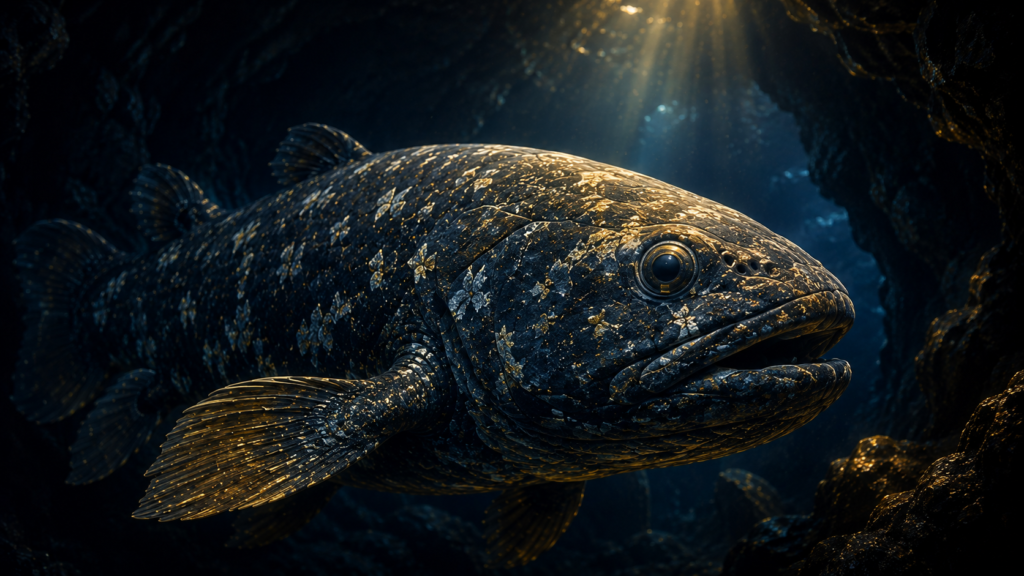
Its body looked ancient. Its fins resembled primitive limbs. Its thick blue scales looked almost prehistoric.
When museum curator Marjorie Courtenay-Latimer examined the strange creature, she immediately realized it was extraordinary. Later, scientists confirmed the impossible.
The fish was a coelacanth.
According to fossil records, this species had disappeared around 66 million years ago, near the end of the age of dinosaurs.
Yet there it was. Alive. Swimming quietly through deep underwater caves all along.
The discovery shocked the scientific community and instantly became one of the greatest zoological discoveries of the twentieth century.
Even today, coelacanths remain incredibly rare, living hundreds of meters below the ocean surface where very few humans have ever explored.
2. The Bird That Refused to Become History
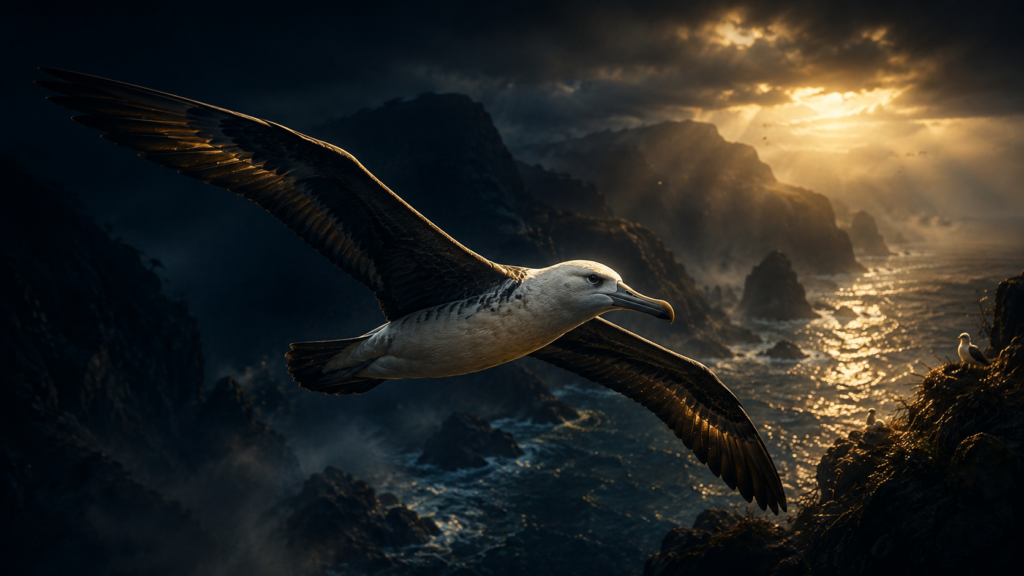
For more than one hundred years, the New Zealand storm petrel existed only inside museum collections.
No scientist had seen a living individual since the nineteenth century. Eventually, it was officially considered extinct.
Then, during a marine survey in 2003, researchers noticed several unfamiliar seabirds flying above the water.
At first, they assumed they belonged to another common species. But something didn’t quite match. The wing patterns were different. The flight behavior was unusual.
DNA testing later confirmed what seemed impossible. The New Zealand storm petrel had survived unnoticed for more than a century.
Today, conservationists continue working to protect its remaining nesting areas, proving that even the smallest populations can recover when given a chance.
3. The Tiny Kangaroo That Hid for Nearly a Century
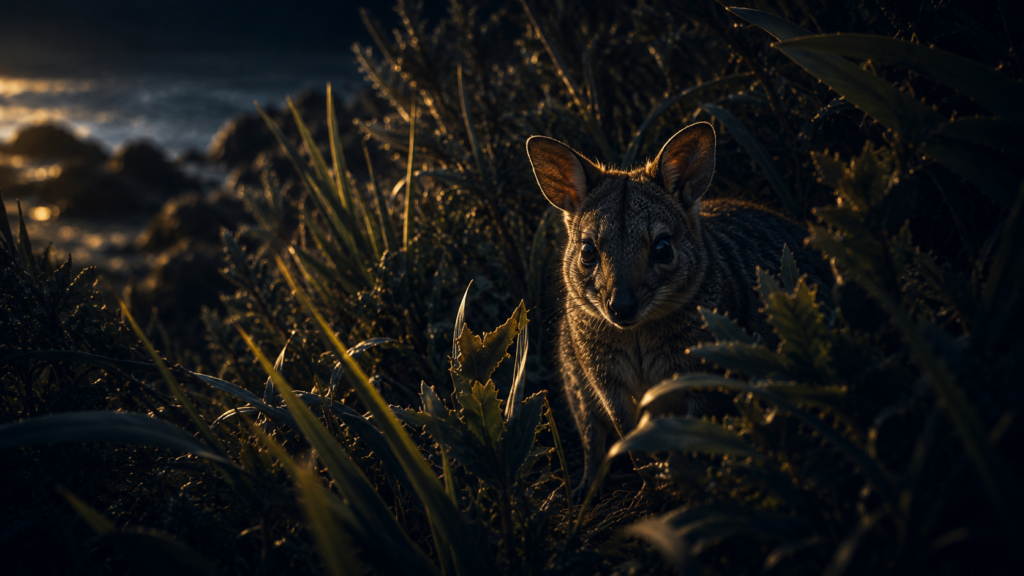
Australia is home to some of the world’s most unusual wildlife, but few stories are as remarkable as that of Gilbert’s potoroo.
This small, shy marsupial once hopped through the forests of Western Australia in healthy numbers. Then, as European settlement expanded, its habitat began to disappear. Introduced predators such as foxes and feral cats pushed the species even closer to the edge.
By the early 1900s, Gilbert’s potoroo had vanished completely. Decades passed without a single confirmed sighting. Scientists eventually accepted what seemed inevitable: the species was extinct.
Then, in 1994, while surveying a remote nature reserve, researchers noticed tiny footprints unlike anything they expected to find.
Soon after, the impossible became reality. A small surviving population of Gilbert’s potoroos was discovered quietly living among dense coastal vegetation. Only a few dozen animals remained.
Today, conservationists continue breeding and protecting the species, giving one of Australia’s rarest mammals a second chance at survival.
4. The Bird That Refused to Leave the Philippines
Sometimes, all it takes is one surviving forest.
The Cebu flowerpecker once thrived across the Philippine island of Cebu. But as forests disappeared under expanding farmland and development, the bird slowly faded from sight.
For nearly a century, no one reported seeing a single individual. Scientists believed the species had disappeared forever.
Yet hidden within one of the island’s last remaining patches of native forest, a tiny population continued to survive.
When ornithologists finally rediscovered the bird, it became one of the most inspiring conservation stories in Southeast Asia.
Its survival proved that protecting even a small fragment of natural habitat can mean the difference between extinction and hope.
5. The Giant Insect That Outsmarted Extinction
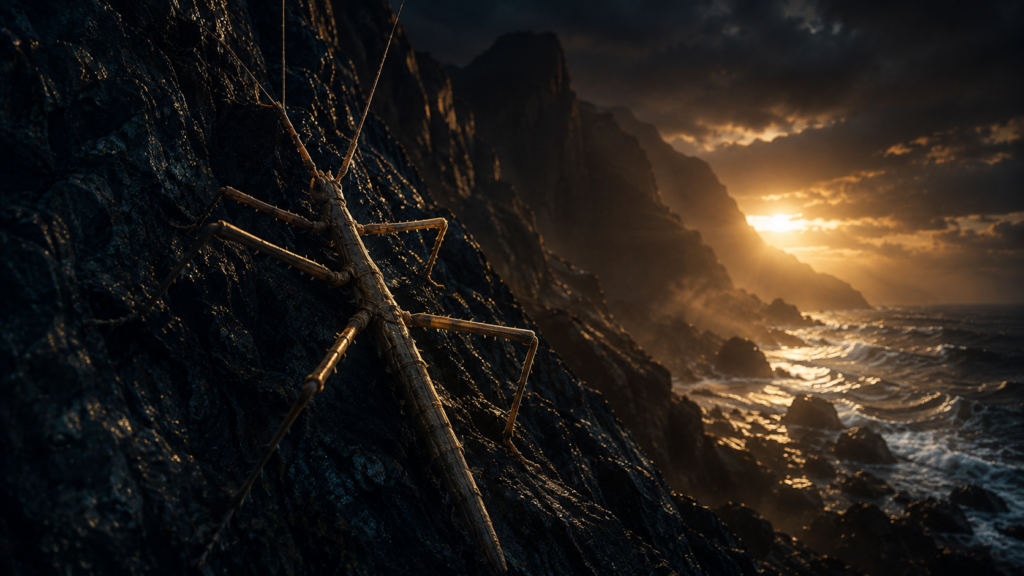
At first glance, the Lord Howe Island stick insect looks almost unbelievable.
Growing up to 15 centimeters (6 inches) long, it is one of the largest stick insects ever discovered.
After invasive rats reached Lord Howe Island in the early 1900s, scientists believed the insect had been wiped out completely. For more than eighty years, nobody questioned that conclusion.
Then, in 2001, climbers exploring the steep volcanic rock known as Ball’s Pyramid made a shocking discovery.
Clinging to a small patch of vegetation were fewer than thirty surviving insects.
Against every odd, the species had managed to survive in one of the most isolated places on Earth.
Conservationists carefully brought several individuals into breeding programs, where thousands have since been raised, offering hope that the species may one day return to its native island.
6. The Silent Frogs That Wouldn’t Give Up
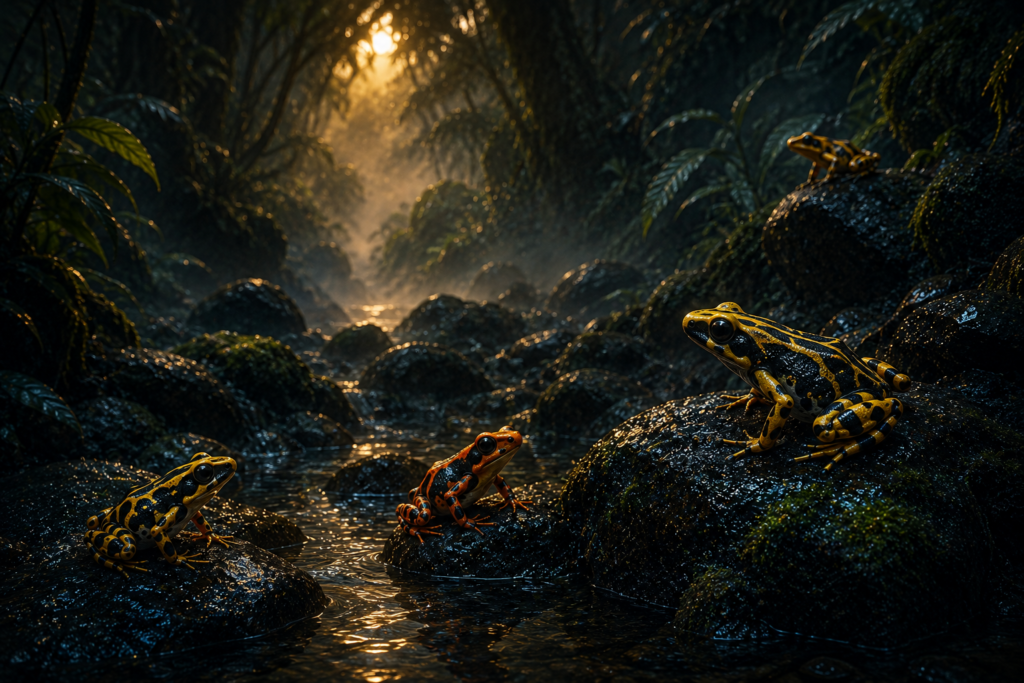
Across Central and South America, brightly colored harlequin frogs once filled mountain streams with life.
Then disaster struck. A deadly fungal disease spread rapidly through amphibian populations, while habitat destruction made survival even harder.
One by one, species disappeared. Many were officially declared extinct.
Years later, scientists trekking through remote cloud forests began making astonishing discoveries.
Tiny surviving groups of harlequin frogs were still clinging to life in isolated streams that the disease had somehow spared.
Each rediscovery became more than just good news. It became proof that even when hope seems lost, nature can still surprise us.
7. Madagascar’s Hidden Survivor
Madagascar is often called one of Earth’s greatest biodiversity hotspots.
Its forests contain animals found nowhere else on the planet. Yet many of these unique species remain so elusive that years can pass without a single confirmed sighting.
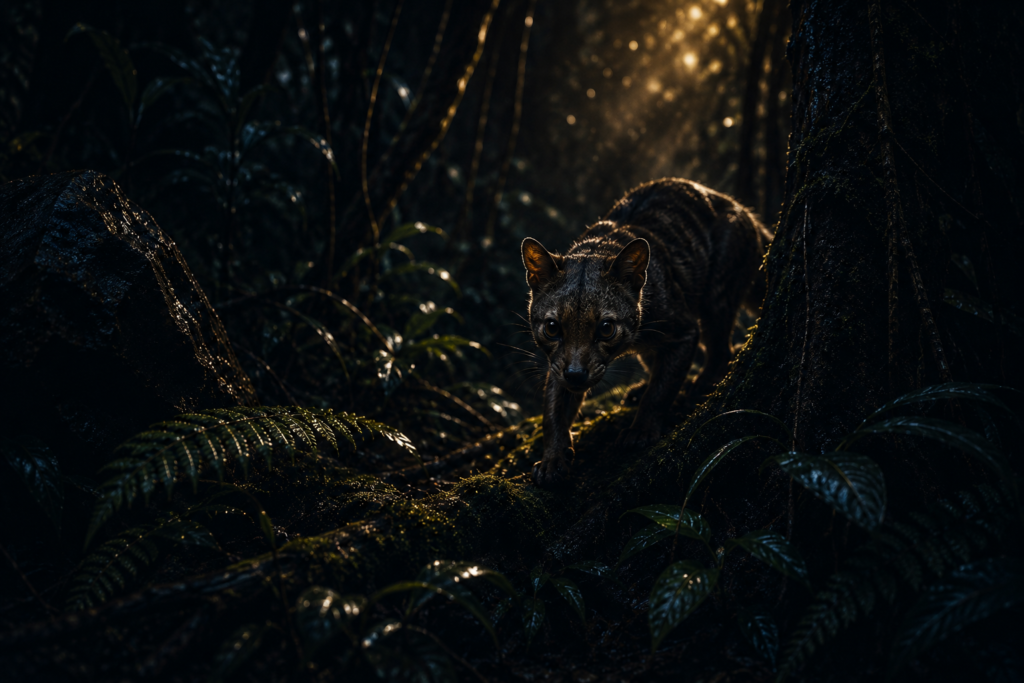
One such small carnivorous mammal disappeared from scientific records for decades, leading researchers to fear the worst.
Only after modern camera traps were installed deep inside protected forests did the truth emerge.
The species had never disappeared. It had simply stayed hidden in one of the world’s most isolated ecosystems.
Its rediscovery highlighted an important lesson. Sometimes the greatest challenge isn’t saving wildlife. It’s finding it.
Why Do These Rediscoveries Matter?
Stories like these are inspiring — but they also carry a warning.
Every rediscovered species survived against incredible odds.
Many exist in populations so small that a single wildfire, disease outbreak, or wave of habitat destruction could erase them forever.
These animals remind us that extinction is not always immediate. It can be a slow process, unfolding quietly until the last surviving individuals disappear unnoticed.
Protecting forests, oceans, wetlands, and remote ecosystems isn’t just about saving today’s wildlife. It’s about preserving the possibility of tomorrow’s greatest discoveries.
Conclusion
For centuries, humanity has believed it understood the natural world.
Yet again and again, nature proves otherwise.
From prehistoric fish hidden beneath the ocean to birds that silently survived for more than a hundred years, these remarkable animals reveal that our planet still holds secrets waiting to be uncovered.
Every rediscovery is more than a scientific achievement. It is a reminder that hope can survive in the most unexpected places.
Perhaps somewhere, in a forgotten forest or an unexplored corner of the sea, another “extinct” species is quietly waiting to astonish the world once again.
Frequently Asked Questions
What is a Lazarus species? A Lazarus species is an animal or plant that scientists believed had become extinct but was later rediscovered alive.
Which rediscovered animal is the most famous? The coelacanth is widely regarded as the most famous example because it was thought to have disappeared around 66 million years ago before being found alive in 1938.
Are these animals truly extinct and then brought back to life? No. They never actually became extinct. They survived in small, isolated populations that remained undiscovered for many years.
Can scientists predict which extinct animals might still be alive? Not with certainty. However, species that disappeared from remote or poorly explored regions are sometimes considered possible candidates for future rediscovery.
Read Also →
📖 50 Amazing Facts About the Human Body You Never Knew
📖 50 Amazing Facts About Space and the Universe
📖 Top 10 Ancient Mysteries That Still Baffle Scientists Today
📖 35 Deep Sea Creatures That Look Like Alien Monsters
📖 7 Unexplained Mysteries That Continue to Puzzle Experts Today